
Falling Dart Impact Tester
Falling Dart Impact Tester
 1 / 3
1 / 3Falling Dart Impact Tester
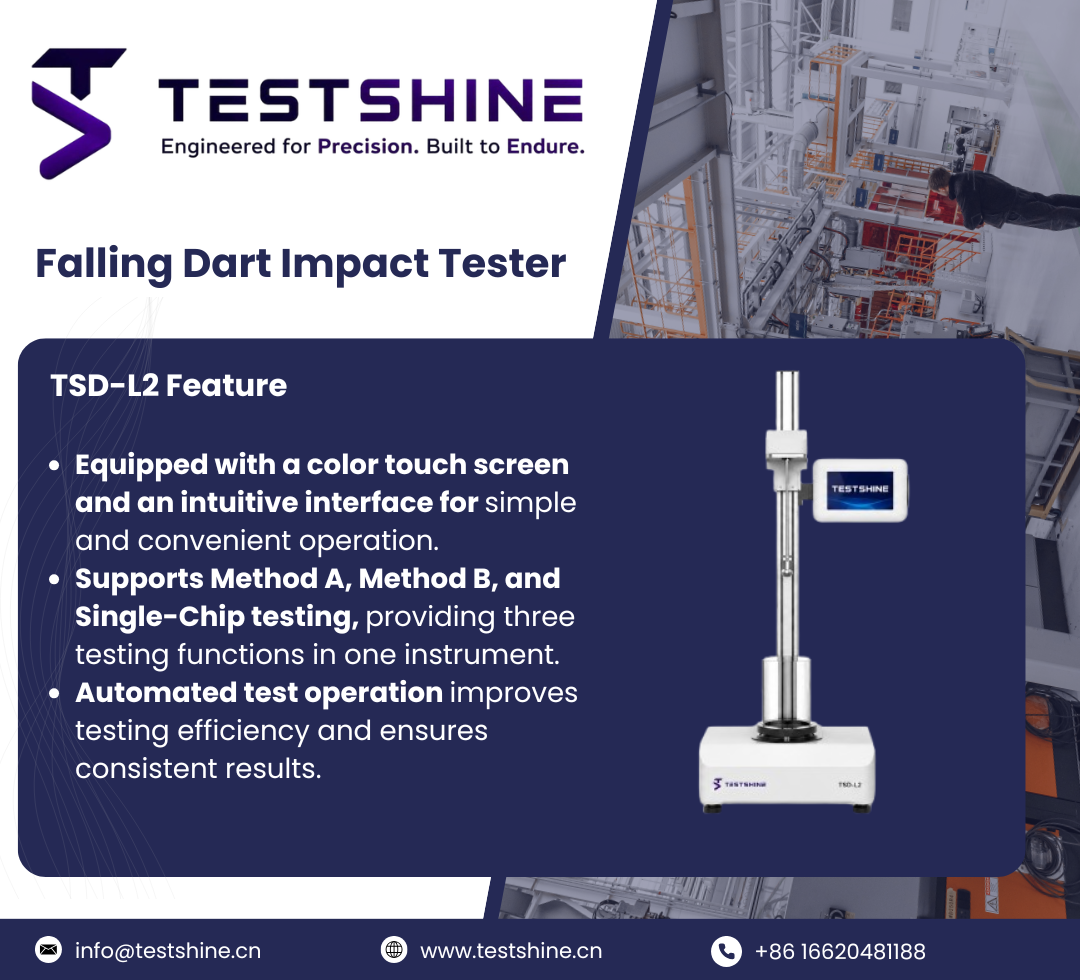
The TSD-L2 Falling Dart Impact Tester accurately evaluates the impact resistance of plastic films, sheets, laminates, and flexible packaging materials by measuring the energy required to cause specimen failure.
Key Specifications
Temperature Range
RT – 250°C
Pressure Range
0 – 1 MPa
Seal Area
300 × 10 mm
Operating Mode
Automatic & Manual

Global Shipping
50+ countries
2-Year Warranty
Parts & service
Expert Support
Dedicated team
Have a question about this instrument?
Talk to an expertProduct Introduction
The TSD-L2 Falling Dart Impact Tester is a precision laboratory instrument designed to evaluate the impact resistance and toughness of plastic films, sheets, laminated materials, coated substrates, and other flexible packaging materials. The instrument determines the energy required to cause failure by allowing a standardized dart to fall freely from a specified height onto the test specimen. Test results are expressed as the mass of the dart required to produce specimen failure, providing a reliable measure of material impact performance.
Widely used in the packaging, polymer, plastics, pharmaceutical, food, and quality control industries, the TSD-L2 helps manufacturers assess the durability of packaging materials under real-world handling, transportation, and drop conditions. By accurately measuring impact resistance, it enables engineers to optimize material selection, improve product quality, reduce packaging failures, and minimize product damage during storage and distribution.
Designed for accuracy and ease of operation, the TSD-L2 delivers consistent and repeatable test results in compliance with internationally recognized testing standards. It is an ideal solution for quality assurance laboratories, research institutes, universities, and industrial manufacturing facilities seeking dependable performance for routine testing and material development.
Key Features
- Electromagnetic Dart Release Mechanism with automatic release to minimize human-induced testing errors.
- Three-in-One Testing Modes supporting Method A, Method B, and Single Chip testing in one instrument.
- 30-Group Data Storage and Query Function allowing convenient retrieval and review of previous test results.
- User-Friendly Interface and Mechanical Design ensure convenient operation and an improved user experience.
Technical Parameters
| Instrument Type | Falling Dart Impact Tester (TSD-L2) |
| Measurement Methods | Method A, Method B, Single Chip Test |
| Test Range | Method A: 50–2000 g; Method B: 300–2000 g |
| Single Chip Test Range | 20–2000 g |
| Accuracy | ±0.5% |
| Resolution | 0.1 g |
| Dart Head Size | Method A: Φ38 mm ±1 mm; Method B: Φ50 mm ±1 mm |
| Weight Size | Method A: Φ30 mm; Method B: Φ45 mm |
| Method A Weights | 5 g, 8 pcs each of 15 g, 30 g, and 80 g; 16 pcs of 120 g |
| Method B Weights | 8 pcs each of 15 g, 45 g, and 90 g; 9 pcs of 180 g |
| Impact Height | 1500 mm / 660 mm |
| Fixture | Pneumatic Clamp, Outer Diameter: 150 mm, Inner Diameter: 125 mm |
| Gas Source | Compressed Air, 0.6–0.8 MPa |
| Dimensions (L × W × H) | 550 × 400 × 1340 mm |
| Weight | 50 kg |
| Power Supply | AC 220 V, 50 Hz |
| Power Consumption | 75 W |
Applications
Plastic Films & Sheets
The TSD-L2 Falling Dart Impact Tester is widely used for impact resistance testing of plastic films and sheets using the free-falling dart method. It enables manufacturers, quality control laboratories, research institutes, and testing organizations to evaluate the toughness and impact performance of packaging materials, helping ensure reliable product protection during handling, transportation, and storage.
The TSD-L2 is specifically designed for impact resistance testing of plastic films, plastic sheets, and flexible packaging materials, including PE/PP composite films, metallized films, aluminum-plastic composite films, nylon films, and plastic sheets used for food and pharmaceutical packaging bags.
The instrument provides accurate and repeatable impact resistance measurements, allowing manufacturers to compare material performance, verify packaging quality, optimize product designs, and ensure consistent mechanical strength for demanding packaging applications.
More from Packaging
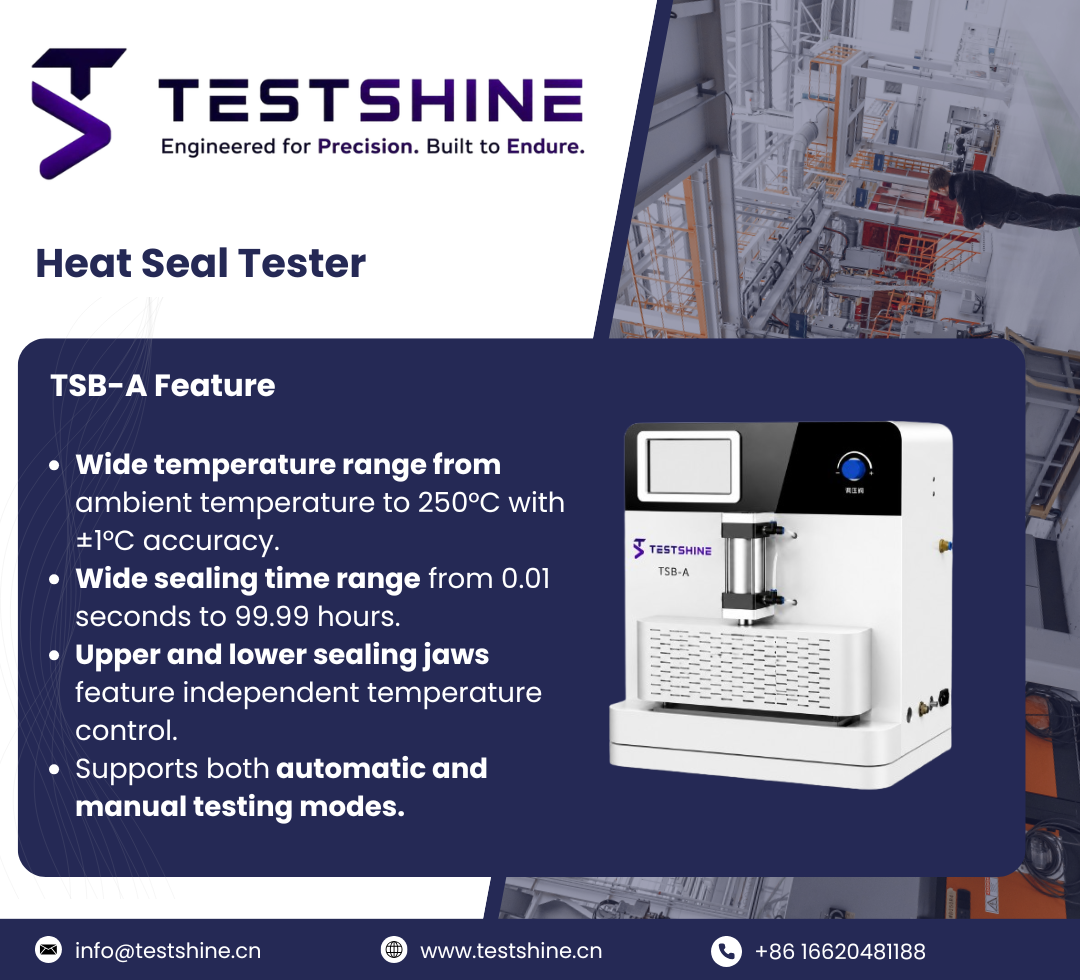
TSB-A
Heat Seal Tester
Heat Seal Strength Testing Instrument
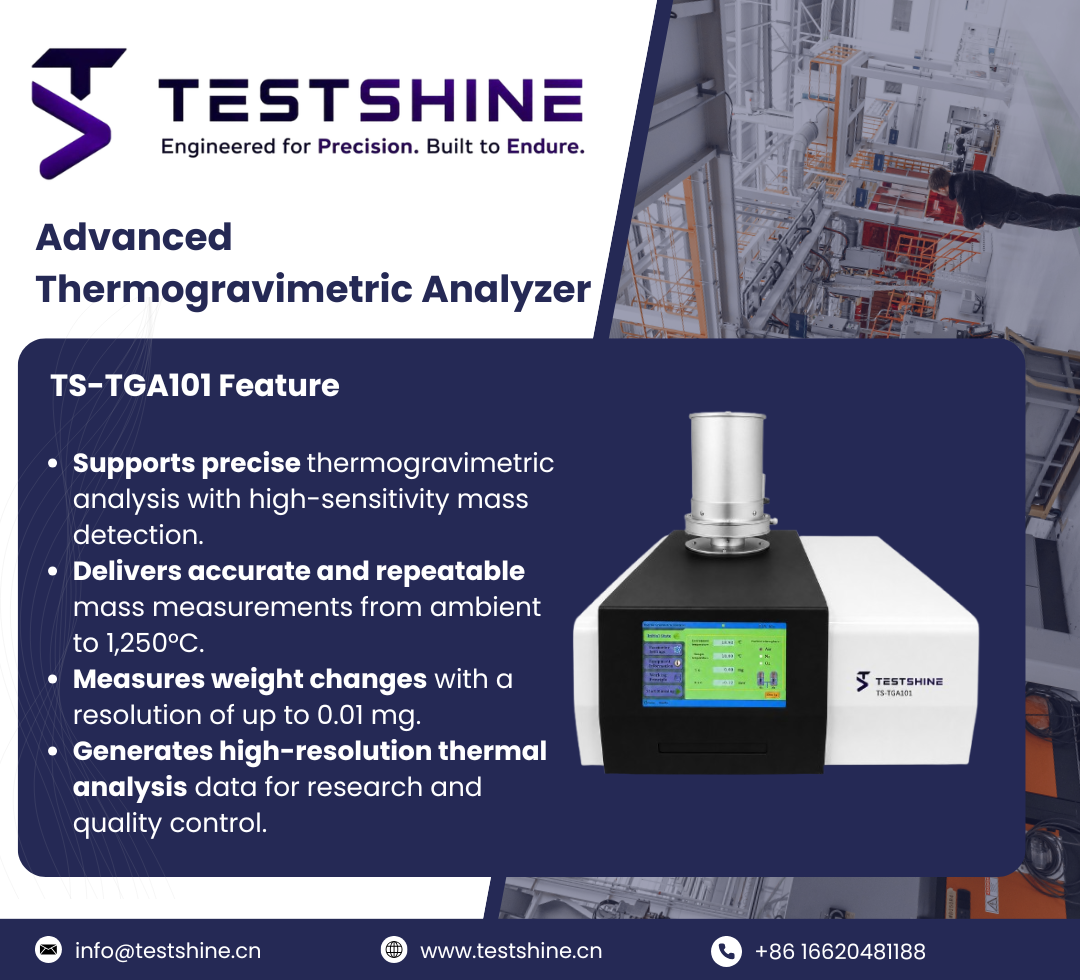
TS-TGA101
Thermogravimetric Analyzer
Advanced Thermogravimetric Analyzer
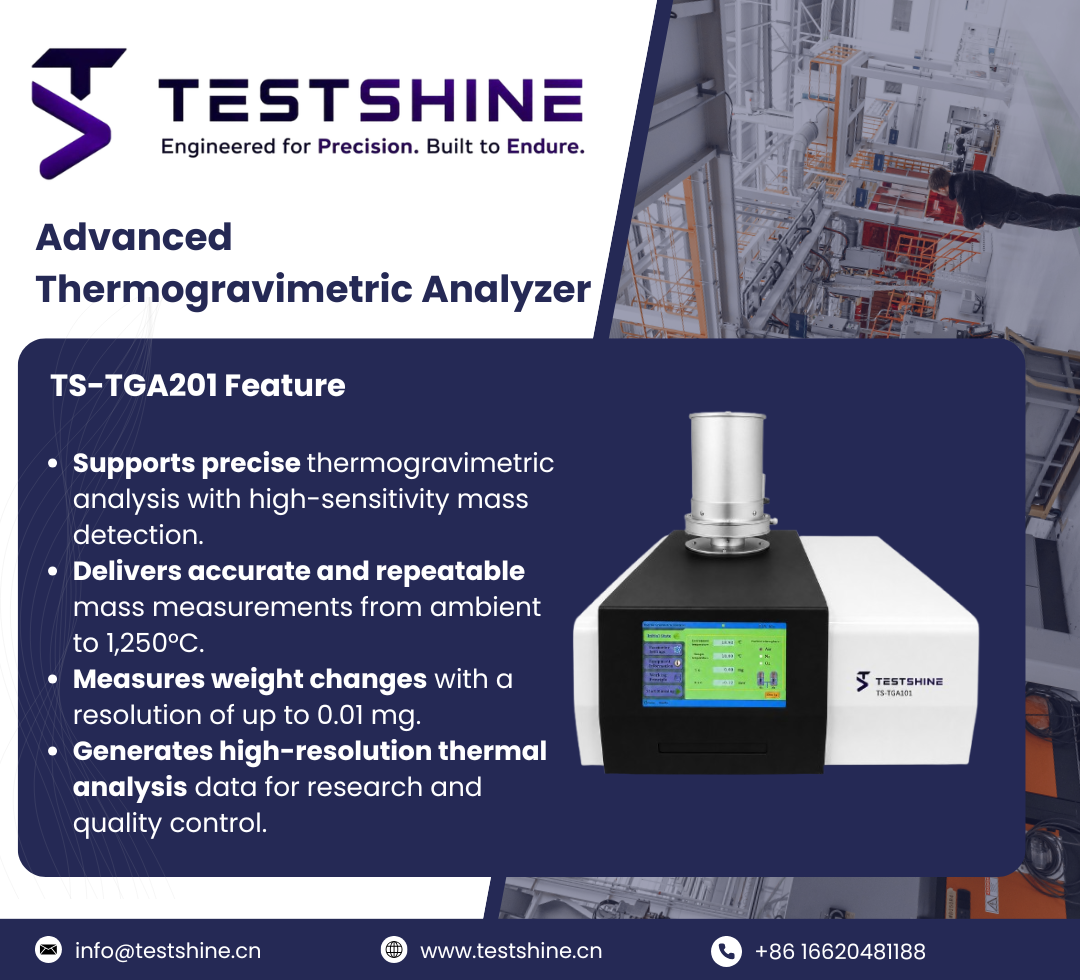
TS-TGA201
Thermogravimetric Analyzer
Advanced Thermogravimetric Analyzer
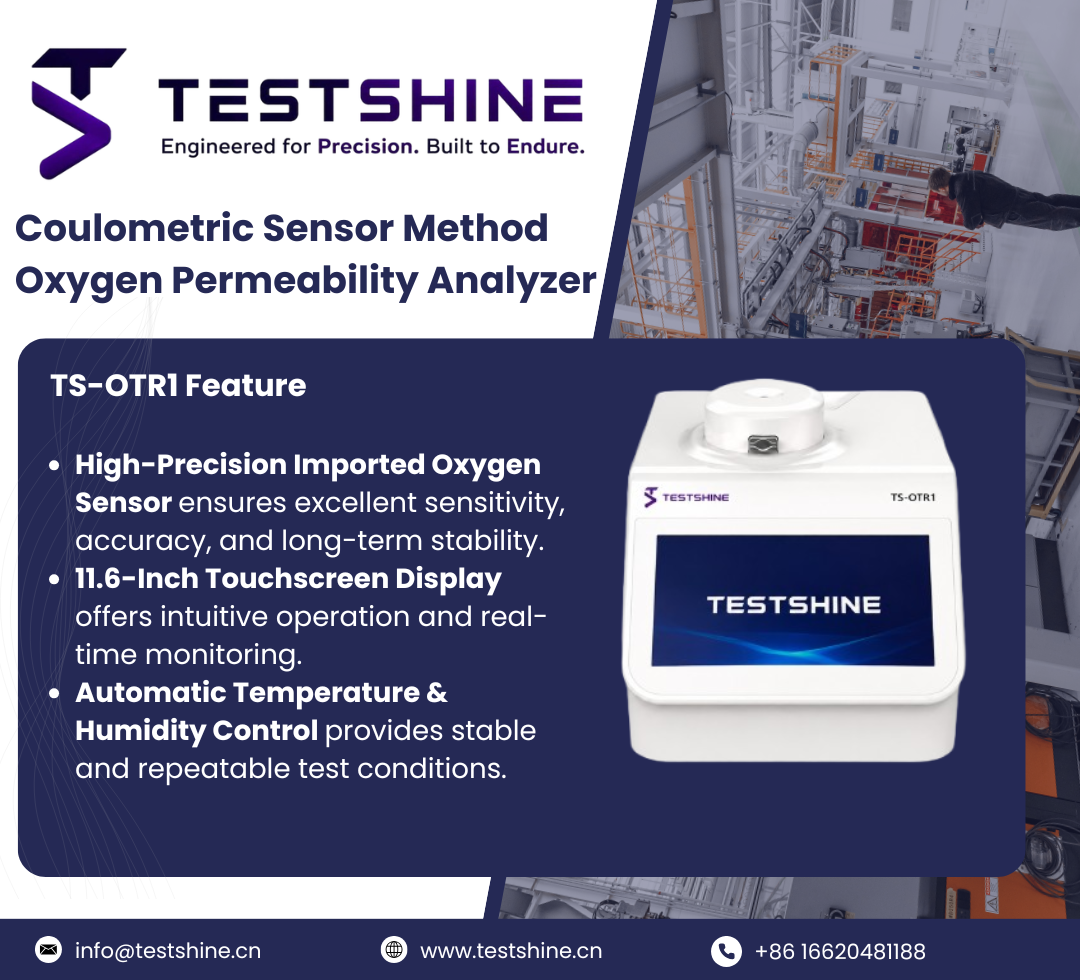
TS-OTR1
Coulometric Sensor Method Oxygen Permeability Analyzer
High-Precision Oxygen Transmission Rate (OTR) Analyzer